Headless eCommerce Guide: Transitioning to a Scalable Composable DXP
Introduction: Decoupling for Digital Excellence
In the traditional eCommerce model, your storefront (frontend) and your commerce logic (backend) are part of the same monolithic system. While this was the standard for a decade, it has become the primary bottleneck for established businesses in 2026. Ambitious retailers are now moving toward Headless eCommerce. According to Gartner (Gartner, Inc.), the world's leading research and advisory firm, Composable Commerce—driven by headless architecture—is the only way to achieve the agility and performance required for modern digital competition.
At Zaproo, we view Headless not as a technical trend, but as a fundamental business strategy to eliminate Legacy Debt and transform your store into a true Efficiency Engine.
1. What is Headless eCommerce?
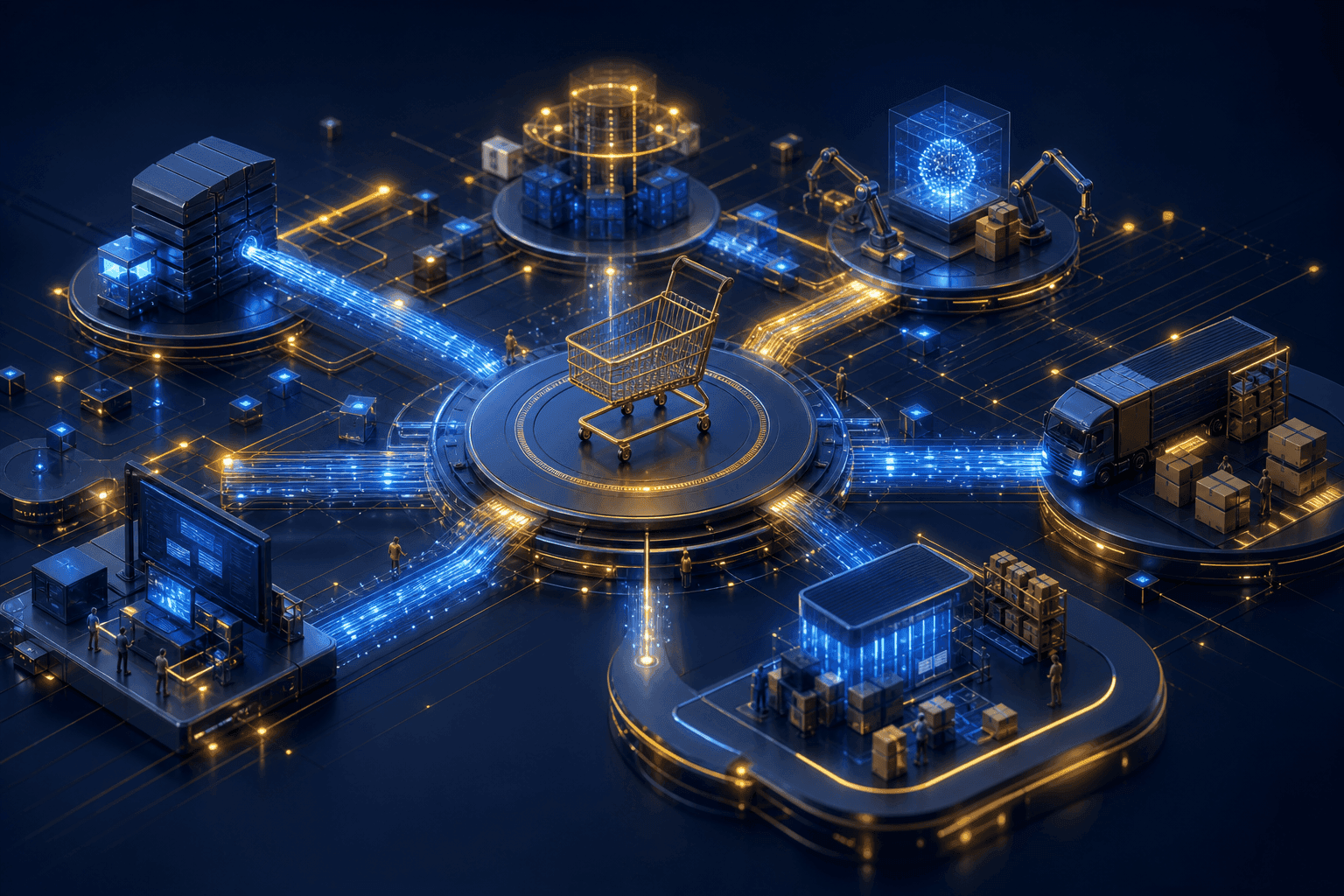
Headless commerce is the separation of the "head" (the frontend user interface) from the "body" (the backend commerce engine). They communicate via high-speed APIs (typically GraphQL or REST).
The Structural Shift:
- Frontend Agility: Use modern frameworks like Nuxt 4 or Next.js to build ultra-fast, mobile-first experiences that aren't restricted by backend templates.
- Backend Stability: Keep your Magento 2 core focused on what it does best: managing complex business logic, security, and high-volume transactions.
- The API Bridge: APIs act as the "nervous system," allowing data to flow seamlessly between the decoupled layers.
2. The Gartner Vision: Composable Commerce and PBCs
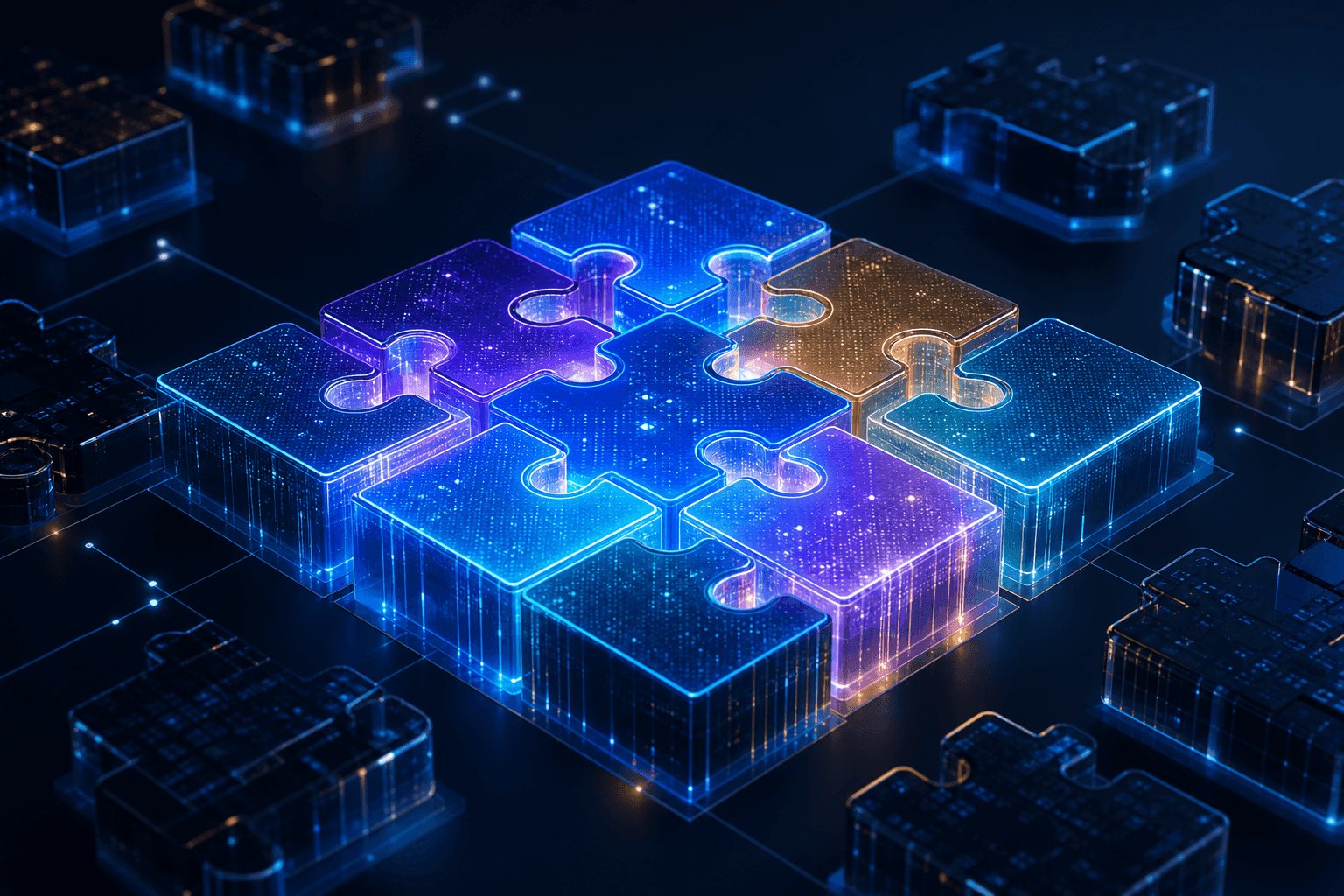
Gartner advocates for an architecture built on Packaged Business Capabilities (PBCs). In a headless environment, your platform is no longer a single, heavy monolith; it is a collection of specialized services linked together.
Building Your Composable DXP (Digital Experience Platform):
- Search: Intelligent site search via Algolia or Elasticsearch AI.
- Content: Orchestrated via a headless CMS like Strapi 5, allowing marketing teams to update the UI without touching the commerce engine.
- Automation: Powered by Business Process Automation (BPA) to sync ERP and logistics in real-time.
3. Why the Transition is Mandatory for ROI
For mid-market and enterprise brands, the return on investment for Headless is driven by three measurable factors:
A. Sub-Second Performance and SEO
Headless stores typically load 50-80% faster than monoliths. In an era where Google’s Core Web Vitals directly impact your ranking, speed is a functional requirement. Faster loading leads to lower bounce rates and higher conversion.
B. Omnichannel Distribution at Scale
Serve the same product data, pricing, and logic to your web store, native mobile app, social commerce channels, and even in-store kiosks simultaneously. This "Create Once, Publish Everywhere" approach reduces operational overhead.
C. Future-Proofing and Agility
You can swap or upgrade any single component (e.g., your payment gateway or AI search engine) without a full site rebuild. This modularity significantly lowers your long-term Total Cost of Ownership (TCO).
4. Technical Implementation: The Zaproo Way
Transitioning to headless requires a disciplined technical approach to ensure Transactional Integrity.
- Native GraphQL: We utilize native GraphQL middleware to ensure data fetching is efficient and type-safe.
- SSR & Edge Caching: Leveraging Nuxt 4 with Varnish ensure that your store remains fast even under heavy traffic spikes.
- Managed Infrastructure: Our Zaproo.Cloud environment is specifically tuned for headless stacks, providing the security and uptime enterprise brands demand.
5. Conclusion: From Monolith to Engine
Transitioning to Headless eCommerce is not just a technical change; it is a shift toward a more efficient, scalable, and profitable business model. It is the foundation of the Efficiency Engine.
Ready to break the monolithic bottleneck? Book a Composable Commerce strategy session with Zaproo.
Read more: