eCommerce Integrations: Building a Self-Sustaining Sales Engine (2026 Strategy)
Introduction: Beyond Data Movement
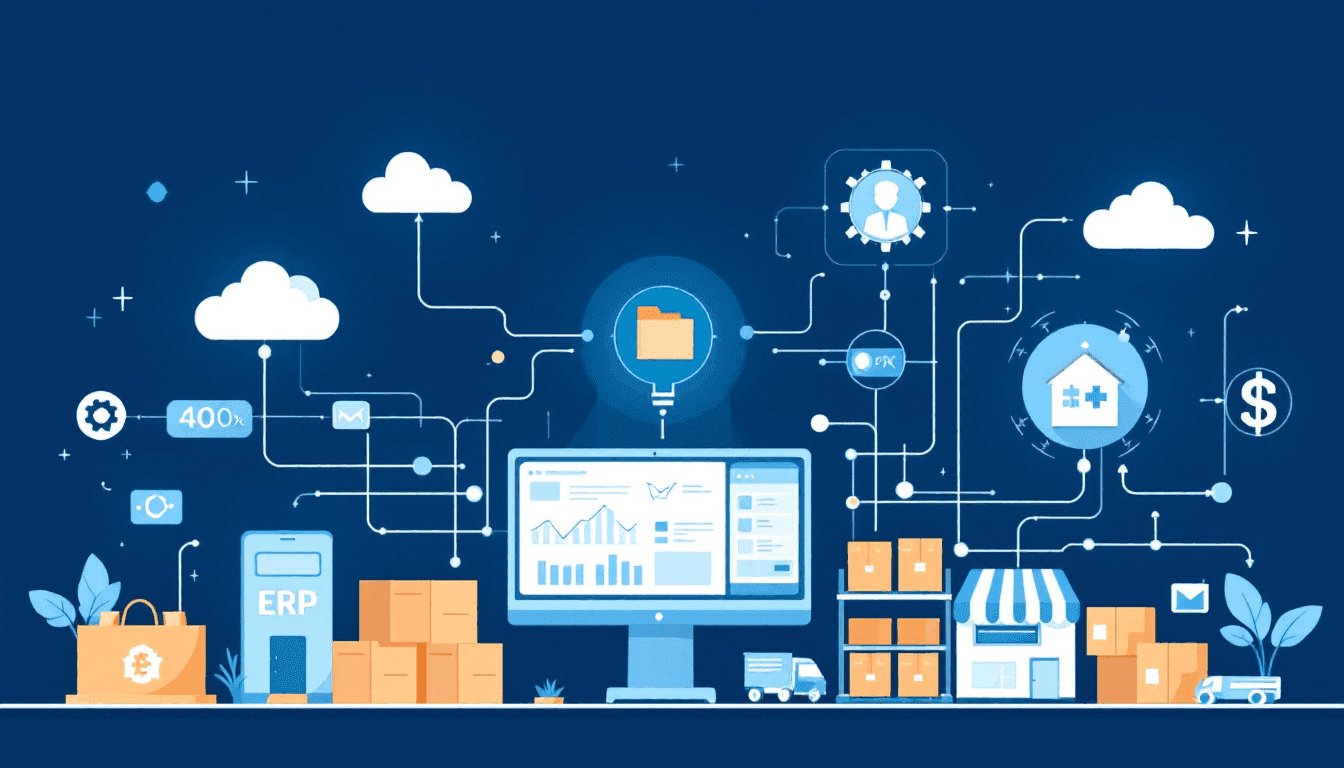
In the modern digital economy, an eCommerce store is no longer an isolated application; it is the front-facing component of a complex, interconnected supply chain. According to Gartner (Gartner, Inc.), the world's leading research and advisory firm, true operational excellence is achieved only when organizations transition from simple point-to-point connections to an iPaaS (Integration Platform as a Service) and Event-Driven Architecture.
At Zaproo, we view integrations as the "invisible fuel" of your Efficiency Engine. This guide explores how deep-level integrations with ERP, PIM, and Logistics systems transform a standard storefront into an autonomous sales machine.
1. ERP Integration: The Operational Heart (Directo, MS Dynamics, SAP)
For B2B enterprises, the integration between the Enterprise Resource Planning (ERP) system and the eCommerce platform is the most critical link. Without it, you are paying a "Manual Entry Tax" on every transaction.
- Real-Time Inventory Synchronization: Our solutions ensure that stock levels are updated in milliseconds. This eliminates the risk of overselling and builds customer trust.
- Dynamic B2B Pricing: In the B2B world, pricing is rarely static. Our integrations calculate contract-specific prices, volume discounts, and promotional tiers in real-time by querying the ERP directly.
- Automated Order Export: The moment a customer confirms an order, all data—including line items, shipping preferences, and tax details—is pushed to the ERP instantly.
2. PIM (Product Information Management): The Single Source of Truth
Managing thousands of SKUs with complex technical attributes and rich media is impossible within a standard eCommerce backend. Gartner recommends a dedicated PIM system (such as Akeneo) to serve as your Single Source of Truth (SSOT).
- Data Enrichment: Centralize technical specs, certifications, and high-res assets. Our integrations push this enriched data to the storefront, increasing conversion rates.
- Omnichannel Consistency: A PIM-driven approach ensures that the product info on your web store, mobile app, and social channels is identical and up-to-date.
3. Logistics Automation: The Road to Zero-Touch Fulfillment
The final stage of the Efficiency Engine is the integration with logistics providers (e.g., Omniva OMX, DPD, DHL).
- Automated Labeling: Upon order confirmation, the system generates the shipping label and notifies the carrier automatically.
- Intelligent Tracking: By pushing real-time tracking data back to the customer portal, we reduce customer support inquiries by up to 40%.
Conclusion: Zaproo employs an API-first approach, building clean, documented interfaces that are scalable. We don't just "connect" systems; we orchestrate a unified business process that handles the routine while you focus on strategy.