Headless Magento 2: The Architecture Behind High-Performance eCommerce
Transitioning to Headless Magento 2 is a strategic move to secure market leadership. Learn how decoupling your frontend from the backend drives sub-second speed, marketing agility, and superior mobile conversions.
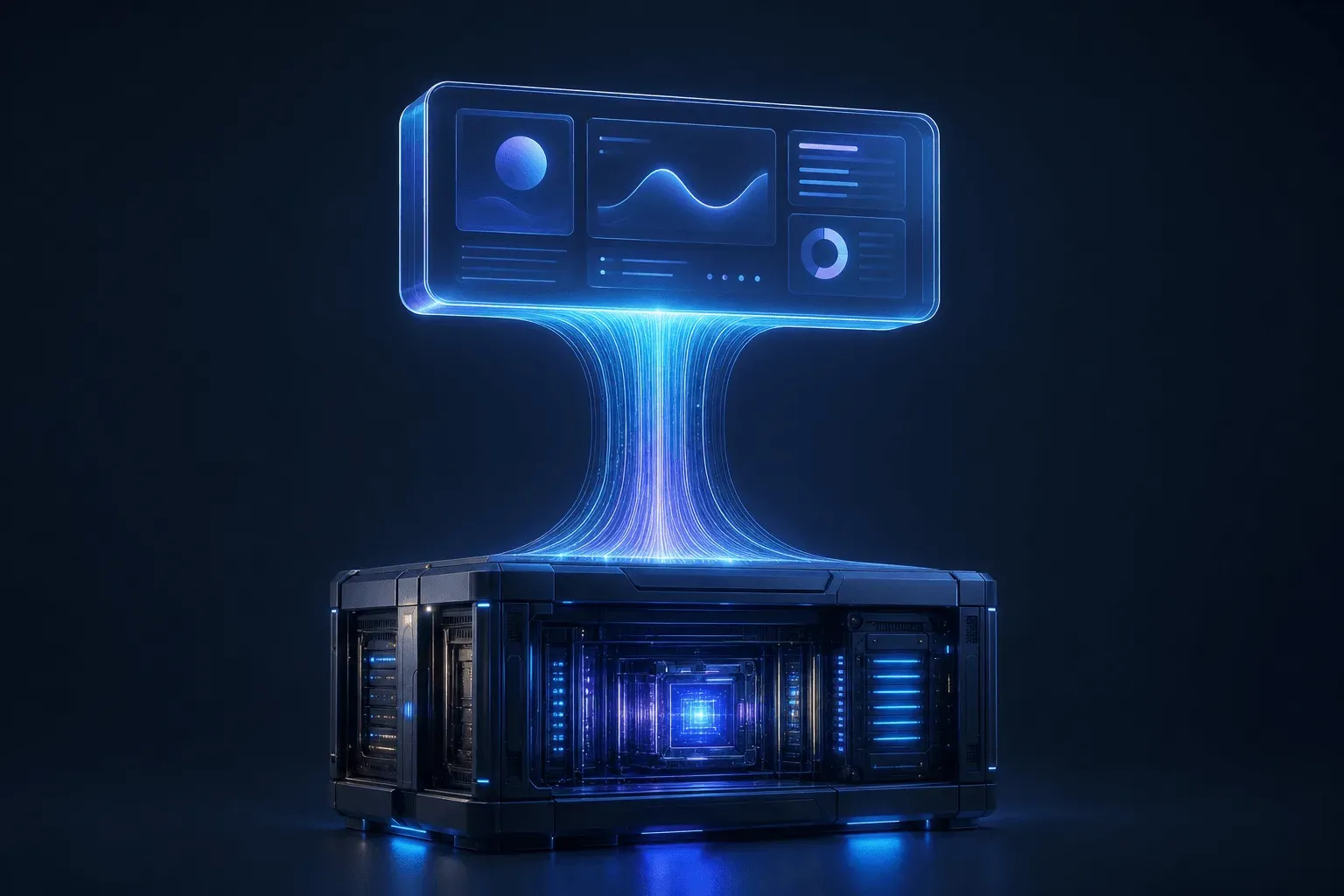
Headless Magento 2 is the gold standard for high-performance B2B and B2C eCommerce. By utilizing Magento 2 as a robust transactional engine and a modern framework like Nuxt 3 for the storefront, businesses can achieve the perfect balance of complexity and speed. This architecture is the foundation of the Autonomous Business, enabling enterprises to scale without the friction of a traditional monolith.
I. The Architecture of Performance: Decoupling for Speed
In a Headless Magento 2 setup, the storefront communicates with the backend via a high-performance GraphQL API. This decoupling allows for:
Sub-second Load Times: Edge-rendering ensures that content is served from the location closest to the user, ensuring a P75 LCP of under one second in real-world production environments.
Independent Scaling: The front-end can scale horizontally to handle massive traffic spikes during peak events without putting a load on the core ERP database.
Security by Design: Isolating the customer-facing layer from the admin-keskkonna (backend) reduces the "blast radius" of potential security incidents, keeping sensitive business data protected.
II. Integrating the Enterprise: The Role of Orchestration
The true power of Headless Magento 2 is realized when it is integrated with an Enterprise ERP (SAP, Microsoft Dynamics). This ensures that contract prices, stock levels, and customer data are always synchronized across all touchpoints.
By utilizing an orchestration layer (like Zaproo.Flow), businesses can maintain a Materialized State of their business logic. This ensures that the storefront remains "Always-On," providing a seamless experience even during ERP maintenance windows or network disruptions. The storefront doesn't wait for a slow ERP query; it serves data from a high-availability cache that is synchronized in real-time.
III. The ROI of the Headless Shift: Operational Agility
While the initial engineering effort for Headless is higher than a traditional monolith, the long-term ROI is driven by Operational Agility. According to industry analysis, businesses with a decoupled architecture can pivot and launch new features up to 8X faster than those on rigid, monolithic platforms.
Research by Google and Deloitte (Milliseconds Make Millions) confirms that technical performance and sub-second responsiveness are directly correlated with higher conversion integrity and customer trust. In 2026, Headless Magento 2 is not just a technical choice; it is a strategic investment in the future value of your enterprise. It is time to move beyond the monolith and start engineering for autonomy.
References & Bibliography
[1] Google and Deloitte (2020). Milliseconds Make Millions. (Analysis of technical performance impact on digital conversion and trust). [2] Gartner (2025). Magic Quadrant for Digital Experience Platforms. (Analysis of Headless and Composable architectures as core DXP capabilities). [3] MACH Alliance. The Case for Composable Architecture. (Foundational principles for modern, API-first digital commerce). [4] McKinsey & Company (2023). The Price of Technical Debt. (Analysis of how monolithic systems hinder operational scalability and revenue capture). [5] Harvard Business Review (2024). The Strategic Value of Architectural Decoupling in B2B. (Analysis of how modularity drives enterprise valuation).
One letter a month.
Engineering notes only.
Subscribe coming soon.