DXP vs CMS: Which Platform Actually Drives B2B Sales Growth?
Learn why the shift from CMS to Composable Digital Experience Platforms (DXP) is essential for scaling eCommerce businesses. A strategic guide by Zaproo.
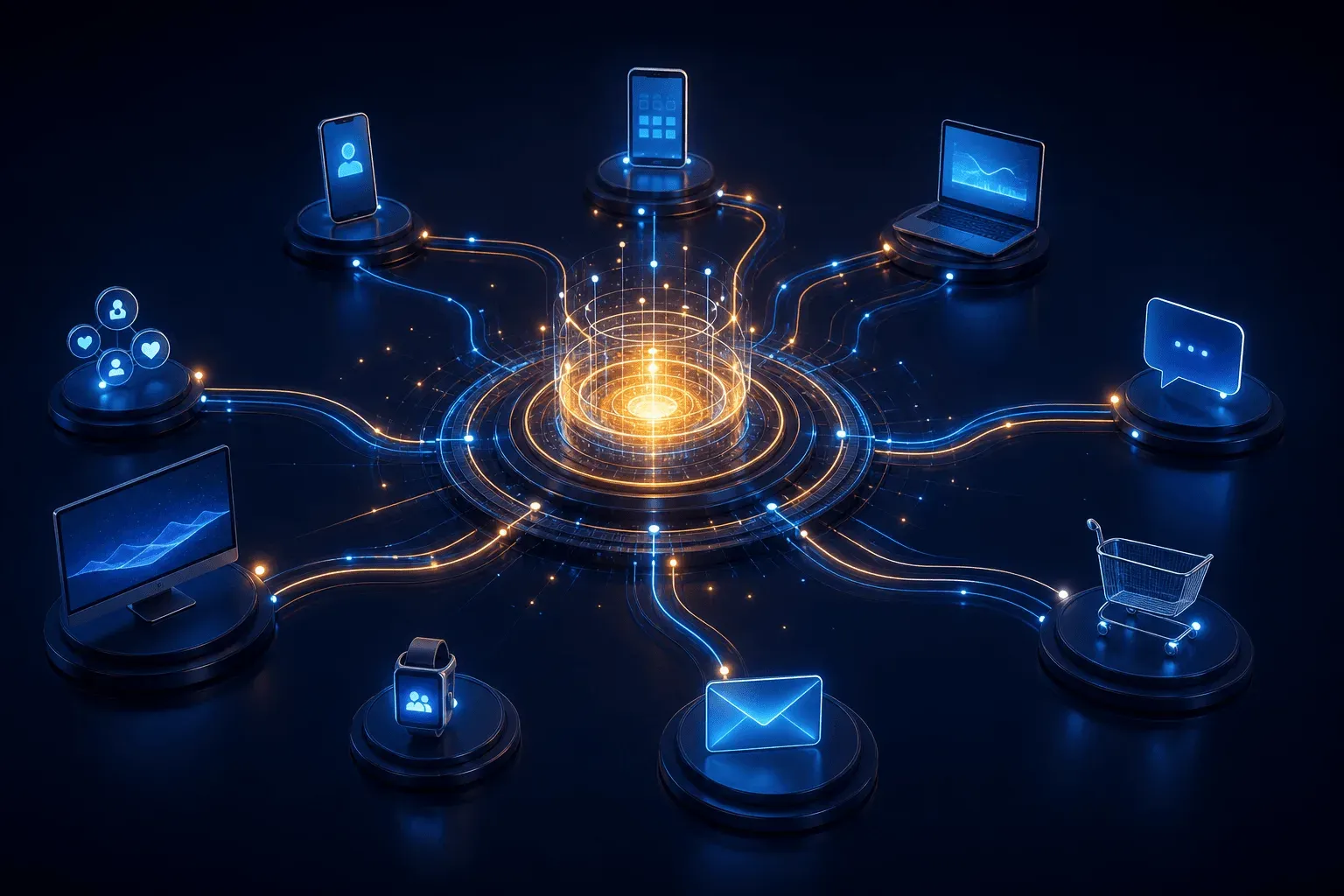
In the evolving landscape of digital commerce, the choice between a traditional Content Management System (CMS) and a modern Digital Experience Platform (DXP) is a strategic decision that defines your long-term scalability and enterprise value.
What is a DXP?
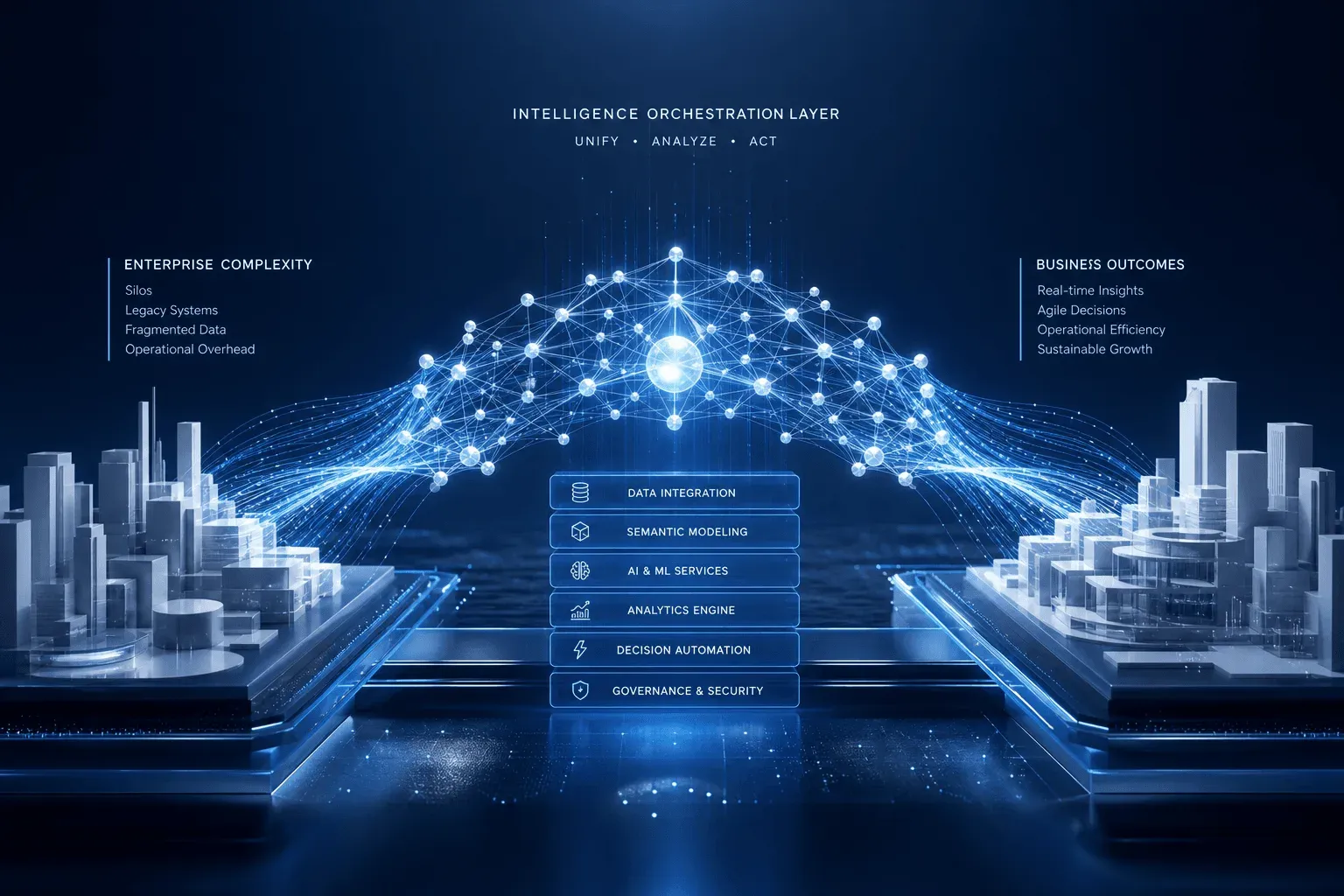
The term DXP was popularized by Gartner to describe an integrated set of technologies designed to enable the composition, management, delivery, and optimization of contextualized digital experiences across multi-channel customer journeys. Unlike a traditional CMS, which is primarily a repository for text and images, a DXP acts as an orchestration layer for the entire digital ecosystem.
The Shift from Monoliths to Composability
According to Gartner (2025), by 2026, over 70% of large and mid-sized organizations will include "composability" as a key criterion when evaluating new technology. This shift is driven by the limitations of monolithic "all-in-one" suites that are often slow to adapt and expensive to maintain.
A Composable DXP (like the Zaproo foundation utilizing Magento 2, Nuxt 3, and Strapi 5) allows businesses to select best-of-breed components for search, content, and commerce, integrating them via APIs.
DXP vs. CMS: Key Strategic Differences
1. Omnichannel Delivery
A traditional CMS is often tied to a specific presentation layer (the "head"). A DXP is natively headless, meaning content is decoupled from the front-end. This allows the same data to be served to web browsers, mobile apps, IoT devices, and even in-store kiosks without duplicating effort.
2. Data-Driven Personalization
While a CMS might offer basic segmentation, a DXP leverages real-time data from your Enterprise ERP (SAP, Microsoft Dynamics) and CRM. This enables sub-second delivery of specific contract pricing, real-time inventory levels, and tailored product recommendations based on procurement history.
3. Operational Efficiency
A DXP reduces the "Manual Processing Tax" by automating the flow of information between systems. For example, when a product attribute is updated in the PIM, it is automatically synchronized across all DXP touchpoints, ensuring 100% data integrity.
The ROI of Moving to DXP
Transitioning from a monolithic CMS to a Composable DXP allows businesses to reduce their long-term Total Cost of Ownership (TCO) by up to 30% over three years (industry estimate). This is achieved through:
Reduced Maintenance: No more "Big Bang" upgrades; components are updated individually.
Faster Time-to-Market: Launching new features in weeks instead of months.
Improved Conversion: Research by Google and Deloitte confirms that technical performance (speed) is directly correlated with conversion rates.
|
Feature |
Traditional CMS |
Composable DXP |
|---|---|---|
|
Architecture |
Monolithic / Coupled |
Headless / Decoupled |
|
Content Scope |
Web-centric |
Omnichannel |
|
Integration |
Plugin-based (Fragile) |
API-first (Resilient) |
|
Personalization |
Basic / Static |
Advanced / Real-time |
|
Scalability |
Vertical (Limited) |
Horizontal (Elastic) |
Conclusion: Building for 2030
Choosing a DXP is about more than just managing a website; it is about building an Autonomous Foundation for your business. By decoupling your front-end and utilizing an intelligent orchestration layer, you ensure that your business remains resilient, secure, and ready for the next wave of digital innovation.
References & Bibliography
[1] Gartner (2025). Magic Quadrant for Digital Experience Platforms. [2] McKinsey & Company (2023). The Price of Technical Debt: Reclaiming management grace and agility. [3] Google & Deloitte (2020). Milliseconds Make Millions: The Impact of Speed on Conversion. [4] MACH Alliance. The Case for Composable Architecture and Avoiding Lock-in.
--- This guide explores the architectural and strategic advantages of Digital Experience Platforms in the B2B sector.


One letter a month.
Engineering notes only.
Subscribe coming soon.